Walk into any bustling Asian kitchen and you’ll see woks at work. They’re now not just pans - they’re the backbone of stir-frying, deep frying, steaming, and even smoking. But one of many legion of woks, two sorts dominate the communique: forged iron and carbon metallic. Chefs and homestead chefs alike mull over which subject material particularly shines, principally in the case of the all-very important query: which heats up swifter?
This is just not simply academic. Stir-frying, to illustrate, relies on excessive warmth and lightning-instant cooking. If your wok takes too lengthy to heat up - or doesn’t hang onto that heat as you toss in parts - your delicacies can steam in preference to sear, turning what should always be a lively, smoky dish into whatever limp and lackluster.
Let’s dig into the differences that rely within the kitchen, drawing on lived experience and real looking trials.
The Two Contenders: Cast Iron and Carbon Steel
Before diving into heating characteristics, it allows to appreciate what makes those material tick.
Cast iron woks are cast from molten iron poured into sand molds. They’re thick and heavy, with a rustic attraction and a acceptance for durability. Traditional Chinese forged iron woks have a tendency to be thinner than Western cast iron skillets, however still some distance weightier than their carbon steel cousins.
Carbon steel woks are created from sheets of metallic with a marginally of carbon, hammered or pressed into form. They’re many times thin-walled and pale ample to wield with one hand. Most knowledgeable Chinese kitchens prefer carbon steel for its responsiveness.
Both require seasoning - a job of building up a nonstick layer with the aid of repeated heating and oiling. But their day-to-day habits is diversified, relatively while the flame flickers on.
Why “Heating Up Fast” Matters
In wok cookery, timing is the whole lot. Quick heating allows you to sear proteins beforehand they overcook, blister greens so they keep crisp, and flash aromatics until they unencumber their scent devoid of burning.
If your wok takes ages to preheat, you lose momentum and possibility choppy outcome. Worse nonetheless if the temperature drops dramatically each time you add food. The function is to shop the pan https://marcorgey554.wpsuo.com/cast-iron-wok-vs-carbon-steel-which-is-best-for-your-kitchen screaming hot from delivery to complete - what cooks call “wok hei,” the elusive breath of the wok that gives dishes their signature taste.
How Heat Travels in Woks
Three physical properties impact how instantly a pan heats:
- Thermal conductivity: How certainly warm movements by the steel. Heat capability: How a good deal strength it takes to raise the pan’s temperature. Thickness/mass: Heavier pans take longer to warmth but also can maintain temperature more beneficial.
Cast iron scores low on thermal conductivity but prime on warm capability and mass - meaning it heats slowly yet retains that warmness as soon as hot. Carbon metal is less dense, thinner with the aid of layout, and has better conductivity than cast iron, nevertheless slash than supplies like aluminum or copper.
Real-World Cooking: Lighting Both Woks
Let’s placed principle into exercise with some kitchen trials.
I’ve used both varieties radically in dwelling settings and restaurant kitchens. On a preferred domicile gas burner (say 10-15k BTU), a 14-inch carbon metal wok in most cases preheats in about 2-three minutes prior to oil starts shimmering and wisps of smoke curl upward. Toss in aromatics, and also you hear that on the spot sizzle.
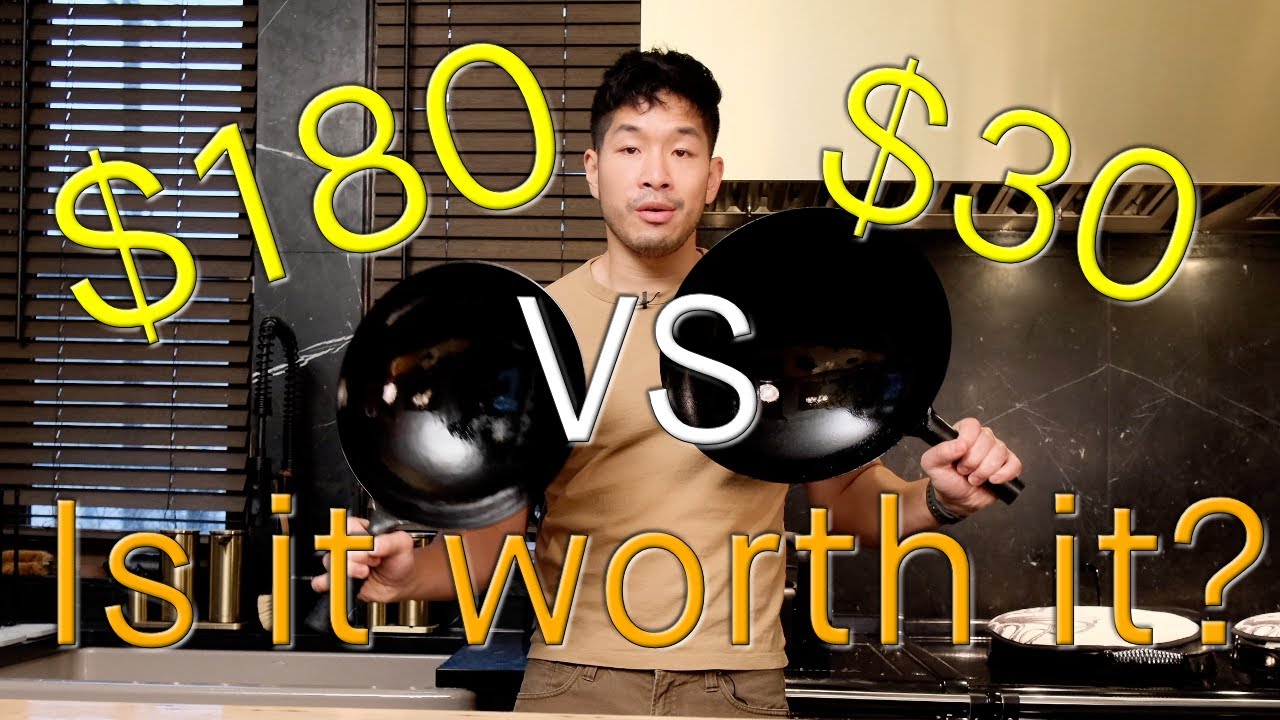
A forged iron wok of comparable dimension quite often necessities in the direction of 5 minutes on medium-prime to attain that comparable country. It feels sluggish to start with - warmth spreads slowly throughout its thicker floor. Once warm, even though, solid iron continues a good baseline temperature, constructive while you’re cooking higher batches or desire steady warmness across longer sessions.
On prime-output eating place burners (in certain cases 100k BTU or more), equally woks come alive much swifter, however carbon steel nonetheless edges out solid iron in initial speed.
The Science Checks Out
If you analyze uncooked numbers, carbon metal’s thermal conductivity hovers around 50 W/mK, at the same time forged iron lags at about 30 W/mK. That distinction exhibits up in cooking: carbon metallic absorbs and passes alongside heat greater efficiently.
But it’s no longer just about conductivity. Cast iron’s additional heft approach more potential have got to be pumped in formerly it receives sizzling all through. If you’re simply by a small condominium range or induction burner, that is usually a true bottleneck.
Day-to-Day Impacts in Home Kitchens
With years of weekday dinners and weekend feasts behind me, I’ve spotted clean styles.
Stir-frying shrimp or thinly sliced red meat in carbon metallic gives rapid browning. Vegetables keep shiny and snappy for the reason that you’re capable of paintings swift - a handful at a time - with close to no ready between batches.
Cast iron can be frustratingly sluggish on weaker burners. Sometimes it seems like you’re coaxing it alongside, watching for that second when oil eventually dances across the floor. Once it hits stride, regardless that, it’s excellent for braises or deep frying the place lasting heat is an asset.
The change becomes stark when making varied dishes returned-to-again for a crowd. With carbon metallic, I can wipe down the pan and get precise back into top-warmness stir frying after a immediate reheat. With solid iron, I in certain cases locate myself adjusting my velocity so the pan can seize up.
Edge Cases: When Cast Iron Wins
For all its velocity, carbon metallic might also lose warmth easily if overloaded with cold foods or used on an underpowered range. That’s in which solid iron’s inertia becomes an advantage - it shrugs off unexpected temperature drops greater via its thermal mass.
Let’s say you’re deep frying battered white meat or making a dry-fried Sichuan red meat the place quite a bit of bloodless meat hits the pan quickly. Cast iron will continue secure more effective, lowering hazard of greasy or soggy effects.
Similarly, for stews or braised dishes done in the wok (believe crimson-cooked pork abdominal), cast iron’s even warm supplies light simmering with no scorching spots.
Restaurant Realities: Why Pros Favor Carbon Steel
Visit any busy Cantonese kitchen and you’ll see chefs slinging carbon steel woks over roaring jet burners. The speed of response is mandatory - as additives pass out and in all of a sudden, pans need to recuperate warmth automatically between tosses.
A pro chef can tilt and swirl a carbon metallic wok effortlessly. The lighter weight capacity much less fatigue over lots of fast-cooked parts in a shift.
You do see forged iron in eating place settings too - extra as a rule in Northern China or for dishes where gradual, even cooking trumps pace - but it’s uncommon in prime-turnover stir-fry operations.
Practical Comparison Table
Here’s a edge-by-area inspect a few key variations imperative to heating velocity:
| Feature | Carbon Steel Wok | Cast Iron Wok | |------------------------|----------------------|-----------------------| | Thermal Conductivity | Higher (speedier warmness) | Lower (slower warm) | | Thickness | Thin | Thick | | Weight | Light | Heavy | | Time to Heat Up | 2-3 mins | 4-6 mins | | Heat Retention | Moderate | High | | Responsiveness | High | Low | | Best Use | Stir fry, quickly cook dinner | Braise, deep fry |
Numbers are primarily based on widely wide-spread 14-inch woks on house gas stoves; your mileage might differ based on stove power and specified wok design.
Other Factors That Affect Heating
It’s smooth to recognition completely on material, however countless other motives play into authentic-global efficiency:
- Stove Output: A excessive-powered gasoline burner can catch up on slower-heating cast iron. On induction or electrical coils, either sorts take longer however carbon metallic nonetheless wins through a nostril. Wok Shape: A spherical-bottomed wok sits closer to the flame than a flat-bottomed one, rushing up heating in spite of drapery. Seasoning Layer: With repeated use, both woks improve a polymerized oil layer that may insulate relatively. Well-pro pans in certain cases preheat more calmly than new ones. Batch Size: Overloading any wok drops its temperature sharply. Cast iron recovers greater slowly however retains its baseline as soon as scorching; carbon metal rebounds speedier as long as you don’t crowd it.
When Speed Isn’t Everything
There are occasions when slower heating is in general an advantage. Making fried rice? Quick heating supports stay away from mushiness as unusual grains toast in seconds. But for those who’re simmering mapo tofu or executing a gradual-cooked red braise, even mushy heat is extra forgiving - right here solid iron excels.
I once tried making use of my trusty carbon metallic wok for Sichuan-kind two times-cooked pork with a long simmer phase. It required steady vigilance to stay clear of scorching; switching to cast iron gave me extra leeway and an excellent prepare dinner with less stirring.
Care and Longevity
Another perspective really worth mentioning: how heating impacts repairs.
With carbon metallic’s thinness and pace comes a industry-off: it’s greater sensitive to warping beneath surprising thermal surprise. Dumping bloodless water right into a screaming-hot pan can bend it out of shape for reliable. Cast iron resists warping yet can crack if abused with high temperature swings.
Both demand seasoning and gentle cleansing. Overheating either class continuously can strip away that challenging-earned nonstick patina, sending you again to rectangular one with caught-on eggs or rice.
Recommendations Based on Experience
If your fundamental function is quickly, responsive cooking - above all stir-fries and short sautés - and your range isn’t distinctly effectual, carbon metal is hands-down the winner for heating pace. It’s lighter in the hand and recovers promptly between batches.
If you ordinarilly cook dinner in titanic amounts or do much of deep frying or gradual braises in your wok, cast iron gives unequalled evenness and staying vigour as soon as it subsequently gets sizzling. Just be geared up for greater staying power for the period of preheating.
You can sincerely very own equally. Many Chinese families hinder a carbon metallic wok for every day stir-fries and a heavier solid iron edition for specialty duties.
Here’s a immediate readiness listing for opting for among them:
Do you more often than not stir fry small batches or desire on the spot sizzle?Go with carbon steel. Do you recurrently deep fry or braise and have time for gradual preheating?
Cast iron may be your family member. Is your stove low-powered or electrical?
Lean closer to carbon metal unless you’re set on sluggish-cooked dishes. Do you value user-friendly maneuverability?
Carbon metallic’s lighter weight makes tossing delicacies simpler. Are you cooking for crowds with a whole lot of cold components?
The thermal mass of forged iron will assistance safeguard warmth.
Final Thoughts
Choosing between solid iron and carbon steel woks isn’t almost chemistry or physics - it’s approximately matching your resources to your behavior and kitchen realities.
For sheer velocity in heating and nimble cooking, carbon steel pretty much invariably leads the %. Cast iron rewards endurance with consistent warmness optimum for slower preparations or increased portions.
Either means, with some seasoning and perform, equally can deliver the ones smoky flavors and textures that make wok-cooked dishes unforgettable. The accurate resolution relies upon on the way you prepare dinner, no longer just what you cook dinner with.