Walk into any bustling Asian kitchen and you’ll see woks at paintings. They’re no longer just pans - they’re the spine of stir-frying, deep frying, steaming, and even smoking. But many of the legion of woks, two models dominate the communication: solid iron and carbon metallic. Chefs and domicile chefs alike mull over which materials actually shines, incredibly on the subject of the all-exceptional query: which heats up faster?
This is not very merely educational. Stir-frying, for instance, depends on severe warm and lightning-rapid cooking. If your wok takes too lengthy to heat up - or doesn’t hold onto that warmth as you toss in meals - your nutrients can steam rather then sear, turning what may want to be a lively, smoky dish into whatever thing limp and lackluster.
Let’s dig into the ameliorations that count number in the kitchen, drawing on lived journey and functional trials.
The Two Contenders: Cast Iron and Carbon Steel
Before diving into heating qualities, it is helping to have an understanding of what makes those materials tick.
Cast iron woks are solid from molten iron poured into sand molds. They’re thick and heavy, with a country attraction and a acceptance for toughness. Traditional Chinese solid iron woks are usually thinner than Western forged iron skillets, however still far weightier than their carbon steel cousins.
Carbon metallic woks are made of sheets of metallic with a bit of carbon, hammered or pressed into structure. They’re regularly thin-walled and mild adequate to wield with one hand. Most reliable Chinese kitchens choose carbon metal for its responsiveness.
Both require seasoning - a system of development up a nonstick layer through repeated heating and oiling. But their every day behavior is assorted, tremendously when the flame flickers on.
Why “Heating Up Fast” Matters
In wok cookery, timing is the whole lot. Quick heating enables you to sear proteins until now they overcook, blister greens so that they continue to be crisp, and flash aromatics unless they liberate their heady scent devoid of burning.
If your wok takes ages to preheat, you lose momentum and risk asymmetric outcome. Worse nonetheless if the temperature drops dramatically whenever you upload nutrition. The objective is to stay the pan screaming scorching from leap to finish - what chefs name “wok hei,” the elusive breath of the wok that gives dishes their signature taste.
How Heat Travels in Woks
Three physical homes impression how in a timely fashion a pan heats:
- Thermal conductivity: How actual warm strikes due to the metal. Heat means: How a whole lot potential it takes to lift the pan’s temperature. Thickness/mass: Heavier pans take longer to warmness yet might also retain temperature enhanced.
Cast iron scores low on thermal conductivity but prime on warmth capacity and mass - that means it heats slowly yet retains that warm temperature as soon as scorching. Carbon metal is less dense, thinner by means of layout, and has upper conductivity than solid iron, regardless that diminish than substances like aluminum or copper.
Real-World Cooking: Lighting Both Woks
Let’s placed principle into exercise with some kitchen trials.
I’ve used either models drastically in home settings and eating place kitchens. On a conventional residence fuel burner (say 10-15k BTU), a 14-inch carbon steel wok most of the time preheats in about 2-three mins formerly oil starts offevolved shimmering and wisps of smoke curl upward. Toss in aromatics, and you listen that immediate sizzle.
A forged iron wok of comparable measurement as a rule desires toward 5 minutes on medium-top to succeed in that comparable country. It feels gradual at the beginning - warmness spreads slowly across its thicker surface. Once warm, even though, forged iron maintains a good baseline temperature, useful whenever you’re cooking increased batches or would like steady warmth throughout longer classes.
On prime-output restaurant burners (infrequently 100k BTU or greater), either woks come alive a whole lot quicker, yet carbon metallic nevertheless edges out solid iron in initial speed.
The Science Checks Out
If you inspect raw numbers, carbon metal’s thermal conductivity hovers round 50 W/mK, when solid iron lags at approximately 30 W/mK. That distinction suggests up in cooking: carbon steel absorbs and passes alongside heat more successfully.
But it’s not nearly conductivity. Cast iron’s more heft capability extra power needs to be pumped in earlier it gets hot during. If you’re by means of a small apartment stove or induction burner, that may also be a factual bottleneck.
Day-to-Day Impacts in Home Kitchens
With years of weekday dinners and weekend feasts in the back of me, I’ve seen transparent styles.
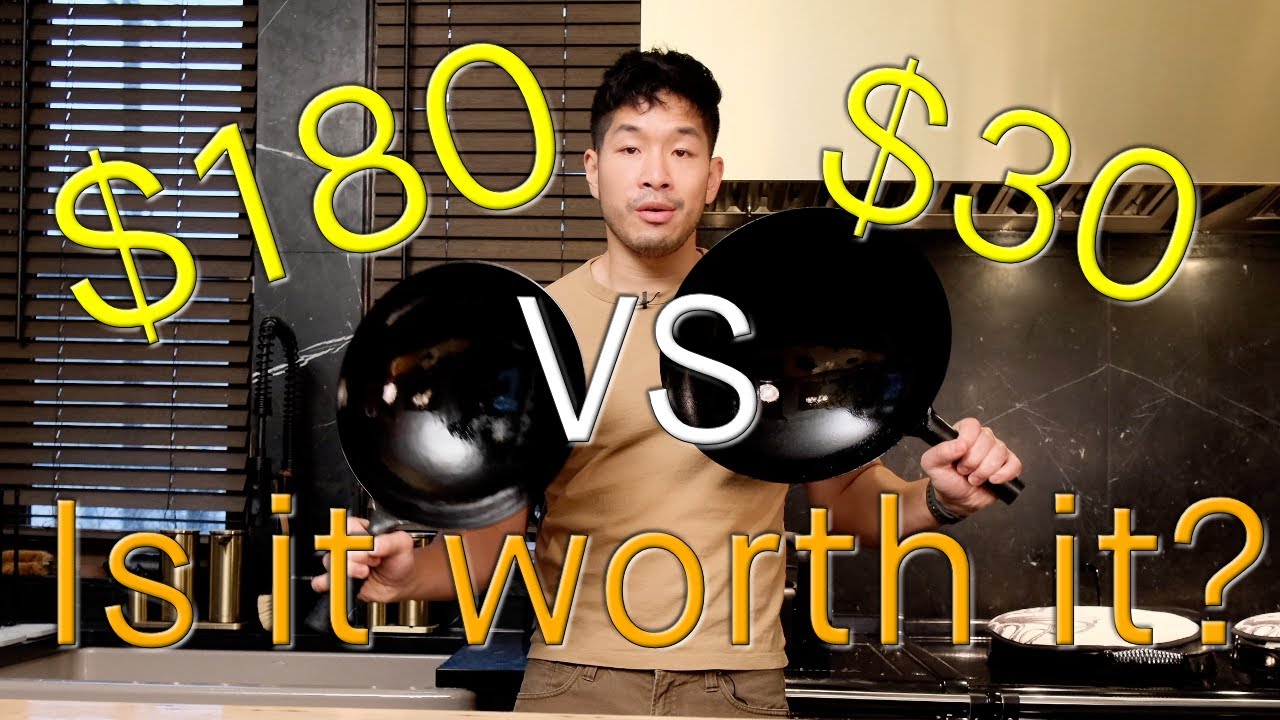
Stir-frying shrimp or thinly sliced red meat in carbon steel provides on the spot browning. Vegetables dwell colourful and snappy when you consider that you’re ready to paintings fast - a handful at a time - with basically no ready between batches.
Cast iron should be frustratingly sluggish on weaker burners. Sometimes it appears like you’re coaxing it alongside, looking forward to that moment when oil after all dances throughout the surface. Once it hits stride, although, it’s full-size for braises or deep frying the place lasting heat is an asset.
The change will become stark when making a couple of dishes returned-to-lower back for a crowd. With carbon metal, I can wipe down the pan and get suitable lower back into prime-warmness stir frying after a brief reheat. With cast iron, I in some cases in finding myself adjusting my speed so the pan can trap up.
Edge Cases: When Cast Iron Wins
For all its velocity, carbon metallic may also lose warmness briefly if overloaded with bloodless materials or used on an underpowered stove. That’s the place forged iron’s inertia will become a bonus - it shrugs off surprising temperature drops more advantageous caused by its thermal mass.
Let’s say you’re deep frying battered poultry or creating a dry-fried Sichuan red meat where loads of chilly meat hits the pan immediately. Cast iron will maintain constant more advantageous, cutting back hazard of greasy or soggy results.
Similarly, for stews or braised dishes carried out in the wok (suppose pink-cooked beef stomach), solid iron’s even warmth can provide mild simmering without scorching spots.
Restaurant Realities: Why Pros Favor Carbon Steel
Visit any busy Cantonese kitchen and you’ll see cooks slinging carbon metallic woks over roaring jet burners. The speed of reaction is central - as elements go inside and outside all of a sudden, pans must get better warmness out of the blue between tosses.
A professional chef can tilt and swirl a carbon metallic wok simply. The lighter weight approach much less fatigue over hundreds and hundreds of quickly-cooked pieces in a shift.
You do see forged iron in eating place settings too - more in general in Northern China or for dishes where gradual, even cooking trumps pace - yet it’s infrequent in top-turnover stir-fry operations.
Practical Comparison Table
Here’s a area-with the aid of-edge check out some key adjustments significant to heating pace:
| Feature | Carbon Steel Wok | Cast Iron Wok | |------------------------|----------------------|-----------------------| | Thermal Conductivity | Higher (speedier warm) | Lower (slower heat) | | Thickness | Thin | Thick | | Weight | Light | Heavy | | Time to Heat Up | 2-3 mins | 4-6 mins | | Heat Retention | Moderate | High | | Responsiveness | High | Low | | Best Use | Stir fry, quickly prepare dinner | Braise, deep fry |
Numbers are structured on commonly used 14-inch woks on dwelling fuel stoves; your mileage can even vary based on range strength and exceptional wok layout.
Other Factors That Affect Heating
It’s hassle-free to recognition fully on subject matter, but quite a few other motives play into authentic-world efficiency:
- Stove Output: A high-powered fuel burner can compensate for slower-heating solid iron. On induction or electrical coils, equally types take longer but carbon metal nonetheless wins with the aid of a nose. Wok Shape: A spherical-bottomed wok sits in the direction of the flame than a flat-bottomed one, dashing up heating in spite of textile. Seasoning Layer: With repeated use, either woks boost a polymerized oil layer which will insulate slightly. Well-pro pans often preheat extra evenly than new ones. Batch Size: Overloading any wok drops its temperature sharply. Cast iron recovers greater slowly however keeps its baseline once hot; carbon steel rebounds swifter provided that you don’t crowd it.
When Speed Isn’t Everything
There are times when slower heating is truthfully an advantage. Making fried rice? Quick heating enables prevent mushiness as uncommon grains toast in seconds. But whenever you’re simmering mapo tofu or executing a gradual-cooked red braise, even smooth warmth is more forgiving - the following solid iron excels.
I once attempted using my trusty carbon steel wok for Sichuan-variety two times-cooked pork with an extended simmer phase. It required regular vigilance to avoid sizzling; switching to cast iron gave me more leeway and a fair cook with less stirring.
Care and Longevity
Another attitude worthy declaring: how heating influences repairs.
With carbon steel’s thinness and pace comes a industry-off: it’s greater delicate to warping beneath surprising thermal shock. Dumping chilly water into a screaming-scorching pan can bend it out of structure for solid. Cast iron resists warping yet can crack if abused with hot temperature swings.
Both call for seasoning and delicate cleaning. Overheating either category generally can strip away that onerous-earned nonstick patina, sending you to come back to rectangular one with stuck-on eggs or rice.
Recommendations Based on Experience
If your important target is swift, responsive cooking - extraordinarily stir-fries and fast sautés - and your range isn’t extremely valuable, carbon metal is arms-down the winner for heating velocity. It’s lighter inside the hand and recovers directly among batches.
If you mostly cook in mammoth portions or do much of deep frying or gradual braises to your wok, cast iron grants unrivaled evenness and staying capability as soon as it subsequently receives scorching. Just be organized for more persistence in the time of preheating.
You can actually personal either. Many Chinese families avert a carbon metal wok for day by day stir-fries and a heavier forged iron adaptation for distinctiveness duties.
Here’s a immediate readiness listing for deciding upon between them:
Do you in most cases stir fry small batches or choose quick sizzle?Go with carbon metallic. Do you almost always deep fry or braise and feature time for sluggish preheating?
Cast iron can be your pal. Is your range low-powered or electric?
Lean in the direction of carbon steel until you’re set on gradual-cooked dishes. Do you worth effortless maneuverability?
Carbon metallic’s lighter weight makes tossing nutrients more uncomplicated. Are you cooking for crowds with thousands of chilly substances?
The thermal mass of solid iron will guide shield warmness.
Final Thoughts
Choosing between forged iron and carbon metallic woks isn’t nearly chemistry or physics - it’s about matching your resources on your behavior and kitchen realities.
For sheer pace in heating and nimble cooking, carbon steel virtually continuously leads the p.c.. Cast iron rewards endurance with secure warmth leading for slower arrangements or bigger amounts.
Either means, with some seasoning and prepare, each can give those smoky flavors and textures that make wok-cooked dishes unforgettable. The true solution relies upon on https://jsbin.com/sapivusula the way you prepare dinner, no longer just what you cook dinner with.
