Woks have a method of drawing chefs in. The first time I picked up a wok, I underestimated its versatility and the subtle distinctions that include totally different ingredients. If you have got stood in a kitchenware aisle or scrolled simply by pages of cookware, you might have probably paused at the query: forged iron or carbon metal? Both have unswerving lovers and storied histories, but what about the worth - the two on the revenue check in and in day to day use? Let’s step simply by the truly differences, surprises, and exchange-offs between these two vintage woks.
The Heritage of Each Wok
In Chinese kitchens, woks have been important for hundreds of years. Carbon metallic grew to be well known inside the twentieth century, prized for its lightness and responsiveness. Cast iron has roots even deeper, with thick-walled models appreciated for stewing and deep-frying in northern China. Western kitchenware manufacturers have delivered their possess twists, now and again complicating the snapshot with seasoning shortcuts or delivered coatings.
Understanding this context issues. A wok is not very just a pan: this is a tool fashioned through generations of cooks refining its design for their stoves and materials. The subject material you judge affects how you cook and what you pay.
What Drives the Price?
The sticky label price of a wok is fashioned with the aid of a few factors: uncooked drapery fee, labor, manufacturing area, model acceptance, and further beneficial properties. Carbon metal is much less expensive consistent with pound than solid iron. However, exertions prices can turn this. Hand-hammered carbon metallic woks from China can fee twice as plenty as equipment-forged iron ones from a Western company.
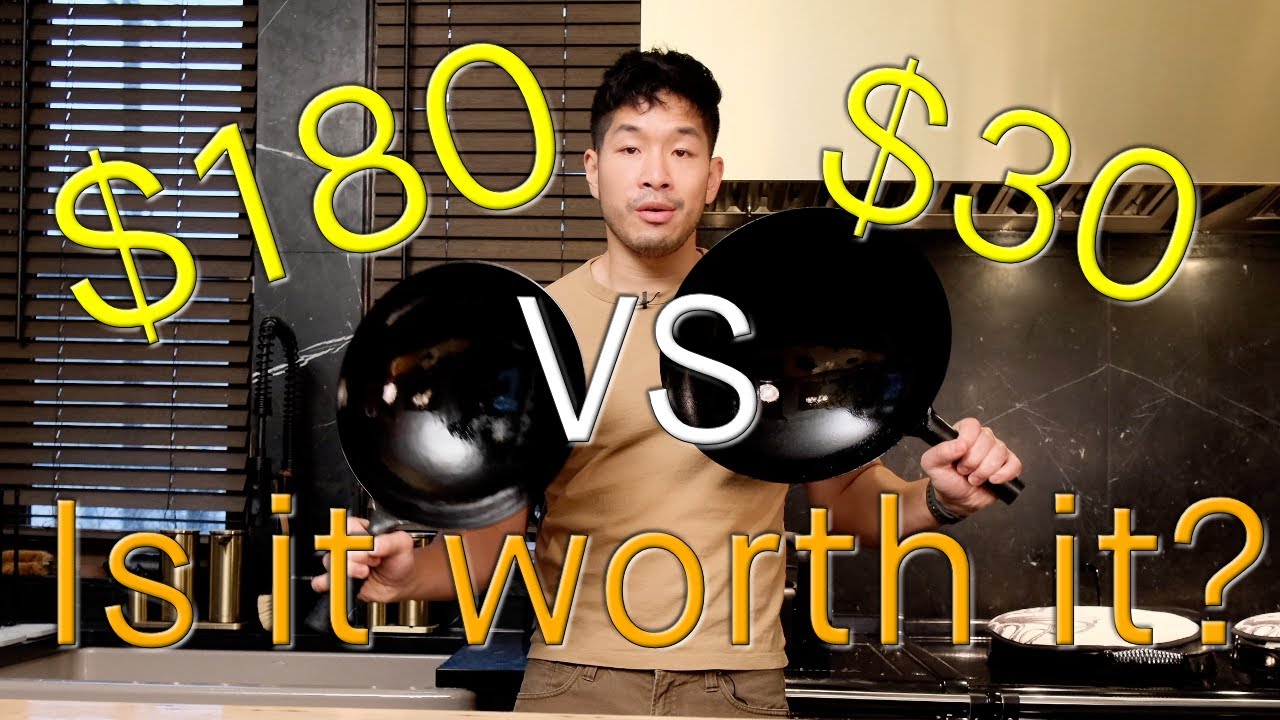
Cast iron woks range dramatically. You’ll see simple items from Chinese manufacturers beginning around $30 to $50 for a 14-inch wok, oftentimes less if unbranded. Western forged iron (think Lodge) can climb to $70 or extra, in part because of thicker partitions and tooth coatings.
Carbon metallic woks start off low: $20 to $forty for entry-point, mass-produced pans. If you desire hand-hammered or distinctiveness shapes (pow woks with round bottoms), are expecting $60 to $a hundred and twenty, exceedingly while imported or made by artisans.
The numbers simply inform half of the tale. You also pay in weight, seasoning attempt, preservation, and suppleness. These hidden costs more commonly rely just as a whole lot as the prematurely payment.
Comparing Everyday Use
Price is infrequently almost about check; it is also approximately time and pleasure. I remember my first solid iron wok - a beast at just about 9 kilos empty. It held warm superbly yet left me winded after twenty minutes of tossing veggies. In contrast, my in demand carbon steel wok weighs beneath four kilos and strikes with me across the burner.
Heat Performance
Cast iron excels at retaining heat. This makes it vast for deep-frying or braising in which consistent temperature subjects extra than unexpected shifts. On the opposite hand, carbon metallic heats up immediately and responds immediate when you elevate or scale down the flame - suited for stir-fries that demand split-2d timing.
If you cook on an induction cooktop or glass-appropriate electrical range, weight becomes even extra related. Some glass cooktops crack less than heavy cast iron. For top-BTU gas stoves, either cloth will paintings; but on dwelling house burners that lack vigor, carbon steel's responsiveness customarily makes up for its minimize warm retention.
Seasoning and Maintenance
Seasoning is wherein many patrons underestimate their funding. A new cast iron wok can also arrive pre-pro if sold from a Western logo (like Lodge), but most Asian units require a couple of rounds of oiling and heating prior to they are all set. Carbon metal wants same care: washing off factory oils, burning off residues over excessive warmth, then constructing up layers of polymerized oil because of repeated cooking.
Here’s a short comparative list for seasoning:

If you’re new to wok cooking and impatient with repairs, a pre-seasoned cast iron variety would side out carbon steel in convenience - not less than unless you get happy protecting your very own patina.
Cooking Versatility
This comes all the way down to the way you cook dinner typically. Cast iron’s thick base helps to keep oil temperature stable for deep-frying spring rolls or hen wings. But it takes longer to warmth up for rapid stir-fries - in many instances long enough that vegetables steam other than sear.
Carbon steel is nimble. Its lighter body allows you to toss noodles with one hand while flipping an omelet with the opposite. If “wok hei” - that coveted smoky aroma from prime-heat stir-frying - is your goal, carbon steel affords you a superior shot at achieving it on a average dwelling house range.
The turn facet: carbon metal is much more likely to warp if overheated empty or exposed to surprising temperature shifts (like rinsing a warm pan with bloodless water). Cast iron shrugs off abuse however can crack if dropped on tile floors.

Longevity vs Cost Over Time
A effectively-cared-for wok may want to final a long time. The distinction is in the way it a while. My grandmother’s cast iron has considered forty years of carrier; its surface is dark and glassy from 1000s of foods. A good friend’s carbon metallic, obtained ten years in the past at a moist industry https://privatebin.net/?5b343e1353f706d0#14neyM83TMpUKTZWyxgRhVA6aLhuhLEfwibC5DtjqKRD in Guangzhou for approximately $15 USD, nonetheless outperforms maximum modern day nonstick pans - yet its bottom is quite asymmetric from years on an previous coal range.
If you’re in quest of natural durability in step with dollar spent:
- Cast iron wins when you be given its weight and treat it gently. Carbon steel may well desire to be replaced each and every decade or so if abused, but cautious users get generations of carrier.
Enamel-covered solid iron complicates matters. The coating prevents rust yet chips genuinely with steel utensils or prime warmness. Once chipped, it exposes raw iron that rusts briefly - in many instances requiring replacement a long way before naked metal woks.
Price Beyond the Pan: Accessories and Upkeep
Your wok is solely as constructive as your setup facilitates. Consider the extras:
- Handles: Cast iron recurrently has loop handles; carbon metal also can have timber “helper” handles that reside cool. Lids: Rarely integrated. Expect to spend some other $10-$20. Wok jewelry: Useful for spherical-bottomed types on flat Western stoves. Brushes or bamboo scrubbers: A few funds but essential for protection. Oil for seasoning: Any neutral oil works; don’t buy “seasoning kits.”
These extras add up - in most cases another $20-$forty on accurate of your preliminary purchase.
User Experience: A Cook’s Perspective
I’ve cooked with each in dwelling house and restaurant settings. For catering jobs, wherein velocity matters and I may be cooking for hours at a stretch, carbon metal wins arms-down: lighter, more straightforward to clear between batches, much less draining on my wrists. The draw back displays up in huge-scale deep-frying or long braises; here, solid iron’s mass can pay off with the aid of preserving steady heat once I pour in bloodless materials.
At dwelling, I achieve for forged iron after I choose a one-pot meal to carry warm temperature at the table - imagine mapo tofu or pink-cooked pork belly. For weeknight stir-fries or anything else regarding rapid pours of sauce and vegetables in succession, carbon metal gets the nod.
One lost sight of change is how each drapery interacts with acidic foods. Tomato-stylish sauces or vinegar-heavy stir-fries can strip seasoning from the two sorts, yet cast iron is more weak if no longer entirely pro. Some chefs sidestep by using potent acids in their solid iron altogether except they belif their patina is mature.
A Brief Table: Typical Price Ranges and Features
| Type | Typical Price Range (USD) | Weight (14-inch) | Heating Style | Seasoning Required | Durability | |-------------------|--------------------------|------------------|--------------------|--------------------|---------------------------| | Cast Iron | $30 - $eighty | 7 - 12 lbs | Slow/Even | Yes | Decades with care | | Carbon Steel | $20 - $120 | three - 5 lbs | Fast/Responsive | Yes | Decades if maintained | | Enamel Cast Iron | $70 - $150 | 8 - thirteen lbs | Slow/Even | No | Chips shorten lifespan |
Prices vary based on company and end. Expect greater expenses for hand-hammered or imported versions. Entry-level solutions are serviceable in case you make investments time in right seasoning.
Who Should Buy What?
If your kitchen is small or your wrists tire unquestionably, carbon metal’s lessen weight is a remedy. Apartment dwellers with induction stoves may well discover forged iron easier to pair with their cooktops because of its magnetic heft. Outdoor cooks who love campfire stir-fries could observe that solid iron stands up more beneficial to open flames and difficult dealing with.
Budget-wide awake valued clientele get greater significance consistent with greenback from carbon metal except they crave a pan that doubles as a serving vessel for slow-simmered stews. Cast iron rewards endurance and care, at the same time carbon steel forgives moved quickly seasoning missteps - possible continuously strip to come back rust and begin lower back.
Here’s a easy record of things to weigh when identifying:
Heat resource (gas is good for both; induction prefers cast iron) Cooking fashion (rapid stir-fries vs gradual braises) Tolerance for weight Willingness to continue seasoning Budget for preliminary purchase plus required accessoriesReal-World Shopping Advice
Don’t be dazzled by means of marketing claims or sky-prime expenditures. I’ve picked up well suited carbon steel woks in Chinatown retailers for much less than $25 that outperform designer fashions 3 instances the payment. Inspect welding caliber on handles and hinder pans with painted in preference to bare-metal interiors.
If you prefer solid iron, try lifting a screen mannequin prior to deciding to buy on-line - nine kilos of pan feels exclusive in hand than it seems in a image. If practicable, opt one with a a bit of thinner wall for domicile use; commercial versions might possibly be overkill for modest stoves.
Seasoning stays the such a lot marvelous investment after your purchase. Plan an hour for initial prep paintings formerly your first meal; watch just a few videos or ask an experienced pal for education if you happen to’re in doubt.
Final Thoughts: Value Lies in Fit
Ultimately, “Cast Iron Wok vs Carbon Steel” will not be basically money spent yet approximately matching your gadget in your wishes and behavior. Both substances present vast importance if cared for properly. Cast iron brings heft and heritage; carbon metallic brings flexibility and pace. The suitable alternative promises years of reputable cooking at a fraction of the rate - and a ways bigger pleasure - than leaping from one nonstick pan to an alternate.
As you weigh your concepts, take note now not simply rate tags but the rhythm of your cooking lifestyles: how you movement on your kitchen, what you love to eat, who you prepare dinner for. With care and prepare, both wok will advantages you with meals that sizzle with style and tradition. And that’s a return on funding no spreadsheet can calculate.