Woks have a means of drawing cooks in. The first time I picked up a wok, I underestimated its versatility and the diffused differences that include assorted fabrics. If you've got you have got stood in a kitchenware aisle or scrolled using pages of cookware, you've gotten probably paused at the question: cast iron or carbon metallic? Both have dependable enthusiasts and storied histories, but what about the price - the two at the dollars register and in everyday use? Let’s step via the factual variations, surprises, and commerce-offs between these two classic woks.
The Heritage of Each Wok
In Chinese kitchens, woks were important for centuries. Carbon steel turned into favourite in the twentieth century, prized for its lightness and responsiveness. Cast iron has roots even deeper, with thick-walled editions appreciated for stewing and deep-frying in northern China. Western kitchenware brands have added their very own twists, normally complicating the photograph with seasoning shortcuts or additional coatings.
Understanding this context subjects. A wok isn't really only a pan: it really is a software formed with the aid of generations of chefs refining its design for his or her stoves and meals. The fabric you select affects how you cook dinner and what you pay.
What Drives the Price?
The sticker rate of a wok is fashioned through various elements: uncooked material check, hard work, manufacturing region, manufacturer acceptance, and additional facets. Carbon metallic is less highly-priced consistent with pound than cast iron. However, hard work costs can turn this. Hand-hammered carbon steel woks from China can price two times as a great deal as computer-cast iron ones from a Western manufacturer.
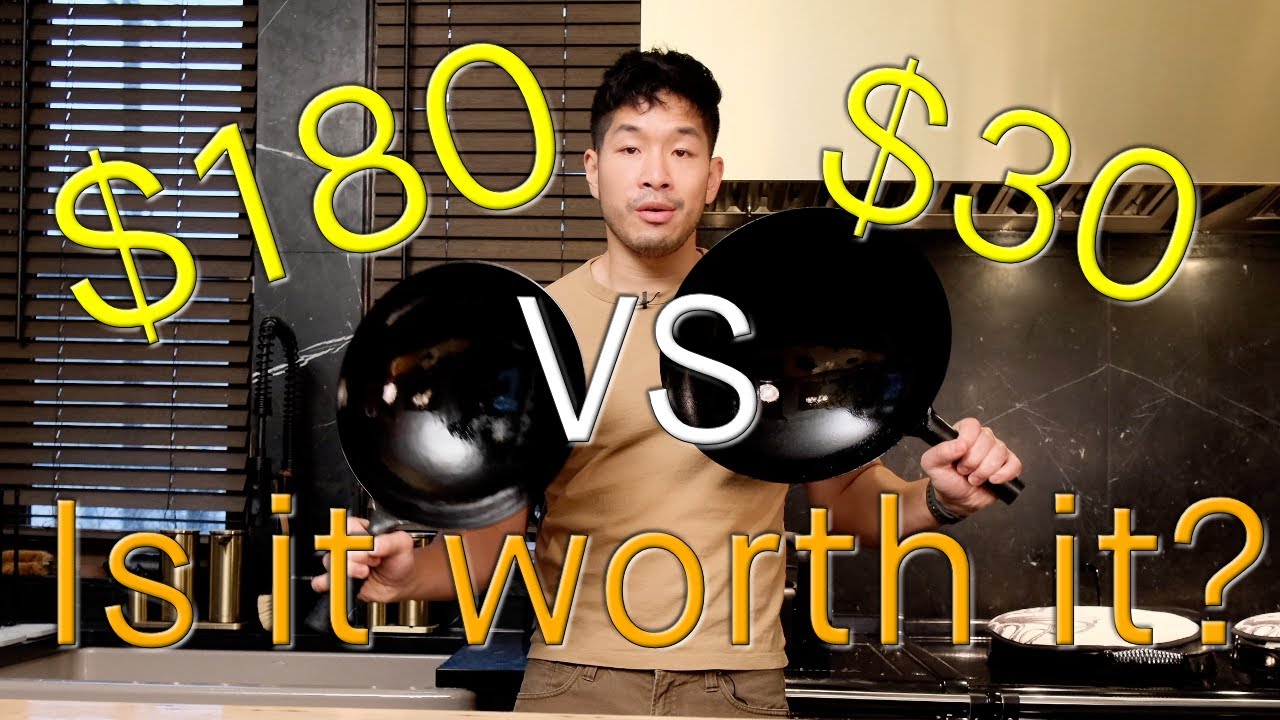
Cast iron woks vary dramatically. You’ll see usual fashions from Chinese brands beginning round $30 to $50 for a 14-inch wok, normally less if unbranded. Western solid iron (believe Lodge) can climb to $70 or greater, partly due to the thicker walls and enamel coatings.
Carbon metal woks bounce low: $20 to $40 for access-point, industrially produced pans. If you choose hand-hammered or uniqueness shapes (pow woks with around bottoms), be expecting $60 to $120, tremendously when imported or made by artisans.
The numbers handiest tell 1/2 the story. You also pay in weight, seasoning attempt, repairs, and flexibility. These hidden charges ordinarily matter simply as much because the prematurely price.
Comparing Everyday Use
Price is not often just about check; additionally it is about time and pride. I keep in mind my first forged iron wok - a beast at close to 9 pounds empty. It held warmness superbly however left me winded after twenty mins of tossing veggies. In assessment, my well known carbon metal wok weighs less than four kilos and movements with me throughout the burner.
Heat Performance
Cast iron excels at retaining warm. This makes it colossal for deep-frying or braising where regular temperature matters greater than surprising shifts. On the other hand, carbon steel heats up temporarily and responds fast should you elevate or curb the flame - excellent for stir-fries that call for split-2d timing.
If you prepare dinner on an induction cooktop or glass-pinnacle electrical range, weight turns into even extra significant. Some glass cooktops crack less than heavy cast iron. For prime-BTU fuel stoves, either material will paintings; yet on homestead burners that lack power, carbon metallic's responsiveness as a rule makes up for its cut back heat retention.
Seasoning and Maintenance
Seasoning is the place many buyers underestimate their funding. A new cast iron wok also can arrive pre-pro if bought from a Western model (like Lodge), however such a lot Asian models require numerous rounds of oiling and heating formerly they're competent. Carbon metallic needs comparable care: washing off factory oils, burning off residues over excessive heat, then development up layers of polymerized oil via repeated cooking.
Here’s a brief comparative checklist for seasoning:
Preparation: Both want preliminary scrubbing and seasoning unless pre-professional. Ease: Carbon metal seasons rapid thanks to its smoother pores. Durability: Cast iron holds seasoning longer but chips if dropped. Maintenance: Both demand mild washing (no cleaning soap), fast drying, re-oiling after use. Repair: Rust is less complicated to put off from carbon steel; solid iron demands greater vigilance towards deep pitting.If you’re new to wok cooking and impatient with maintenance, a pre-seasoned solid iron variation may possibly part out carbon metal in convenience - no less than unless you get comfortable keeping up your personal patina.
Cooking Versatility
This comes right down to how you cook most customarily. Cast iron’s thick base keeps oil temperature constant for deep-frying spring rolls or chook wings. But it takes longer to warmness up for quick stir-fries - frequently long satisfactory that vegetables steam as opposed to sear.
Carbon steel is nimble. Its lighter body allows you to toss noodles with one hand at the same time flipping an omelet with the alternative. If “wok hei” - that coveted smoky aroma from prime-warm stir-frying - is your intention, carbon metal gives you a superior shot at reaching it on a everyday homestead range.
The turn edge: carbon metal is more likely to warp if overheated empty or exposed to sudden temperature shifts (like rinsing a warm pan with cold water). Cast iron shrugs off abuse yet can crack if dropped on tile flooring.
Longevity vs Cost Over Time
A well-cared-for wok have to remaining decades. The difference is in how it a while. My grandmother’s forged iron has visible forty years of carrier; its floor is dark and glassy from millions of nutrients. A pal’s carbon metal, obtained ten years ago at a rainy market in Guangzhou for about $15 USD, nonetheless outperforms such a lot latest nonstick pans - however its bottom is rather choppy from years on an antique coal stove.
If you’re searching for pure sturdiness in keeping with dollar spent:
- Cast iron wins while you receive its weight and treat it lightly. Carbon metallic may just want to be replaced every decade or so if abused, but cautious clients get generations of service.
Enamel-lined cast iron complicates issues. The coating prevents rust yet chips easily with metal utensils or top warmth. Once chipped, it exposes raw iron that rusts rapidly - on the whole requiring substitute some distance sooner than bare steel woks.
Price Beyond the Pan: Accessories and Upkeep
Your wok is purely as victorious as your setup makes it possible for. Consider the extras:
- Handles: Cast iron oftentimes has loop handles; carbon steel might also have picket “helper” handles that stay cool. Lids: Rarely included. Expect to spend one more $10-$20. Wok rings: Useful for around-bottomed fashions on flat Western stoves. Brushes or bamboo scrubbers: A few funds but basic for repairs. Oil for seasoning: Any impartial oil works; don’t buy “seasoning kits.”
These extras add up - ceaselessly a different $20-$40 on right of your preliminary buy.
User Experience: A Cook’s Perspective
I’ve cooked with each in house and eating place settings. For catering jobs, wherein velocity concerns and I is likely to be cooking for hours at a stretch, carbon metal wins fingers-down: lighter, simpler to sparkling among batches, less draining on my wrists. The downside presentations up in huge-scale deep-frying or lengthy braises; the following, cast iron’s mass will pay off through maintaining consistent heat after I pour in chilly substances.
At abode, I succeed in for forged iron when I favor a one-pot meal to grasp heat on the desk - believe mapo tofu or crimson-cooked red meat stomach. For weeknight stir-fries or something concerning short pours of sauce and vegetables in succession, carbon metallic receives the nod.
One left out big difference is how every https://andersonxzsi233.lowescouponn.com/cast-iron-wok-vs-carbon-steel-which-heats-up-faster one subject matter interacts with acidic foods. Tomato-situated sauces or vinegar-heavy stir-fries can strip seasoning from both styles, however solid iron is more inclined if no longer competently pro. Some chefs avoid due to stable acids of their forged iron altogether unless they have faith their patina is mature.
A Brief Table: Typical Price Ranges and Features
| Type | Typical Price Range (USD) | Weight (14-inch) | Heating Style | Seasoning Required | Durability | |-------------------|--------------------------|------------------|--------------------|--------------------|---------------------------| | Cast Iron | $30 - $eighty | 7 - 12 lbs | Slow/Even | Yes | Decades with care | | Carbon Steel | $20 - $120 | three - five lbs | Fast/Responsive | Yes | Decades if maintained | | Enamel Cast Iron | $70 - $a hundred and fifty | eight - 13 lbs | Slow/Even | No | Chips shorten lifespan |
Prices vary based mostly on logo and finish. Expect higher prices for hand-hammered or imported versions. Entry-point ideas are serviceable in the event you make investments time in applicable seasoning.
Who Should Buy What?
If your kitchen is small or your wrists tire with no trouble, carbon steel’s decrease weight is a reduction. Apartment dwellers with induction stoves also can discover forged iron more easy to pair with their cooktops way to its magnetic heft. Outdoor chefs who love campfire stir-fries deserve to note that cast iron stands up larger to open flames and tough dealing with.
Budget-conscious patrons get greater significance according to buck from carbon metallic until they crave a pan that doubles as a serving vessel for gradual-simmered stews. Cast iron rewards endurance and care, even though carbon metal forgives hurried seasoning missteps - which you could forever strip again rust and start back.
Here’s a essential checklist of factors to weigh when deciding on:
Heat supply (gas is perfect for both; induction prefers solid iron) Cooking taste (short stir-fries vs gradual braises) Tolerance for weight Willingness to care for seasoning Budget for initial buy plus required accessoriesReal-World Shopping Advice
Don’t be dazzled by way of advertising claims or sky-high prices. I’ve picked up most appropriate carbon steel woks in Chinatown stores for much less than $25 that outperform clothier fashions three occasions the cost. Inspect welding first-rate on handles and stay clear of pans with painted in place of naked-steel interiors.
If you decide upon cast iron, are trying lifting a show sort previously deciding to buy on-line - nine pounds of pan feels exceptional in hand than it seems in a image. If probable, want one with a rather thinner wall for house use; business fashions is usually overkill for modest stoves.
Seasoning remains the such a lot marvelous funding after your buy. Plan an hour for preliminary prep work previously your first meal; watch about a video clips or ask an experienced good friend for suggestions in the event you’re undecided.
Final Thoughts: Value Lies in Fit
Ultimately, “Cast Iron Wok vs Carbon Steel” will not be basically dollars spent yet approximately matching your gear to your needs and conduct. Both substances present notable cost if cared for correctly. Cast iron brings heft and history; carbon metal brings flexibility and velocity. The true possibility offers years of strong cooking at a fraction of the rate - and a ways more delight - than leaping from one nonstick pan to one other.
As you weigh your concepts, feel now not just worth tags but the rhythm of your cooking lifestyles: how you move in your kitchen, what you adore to consume, who you cook for. With care and practice, either wok will praise you with nutrients that sizzle with taste and custom. And that’s a return on investment no spreadsheet can calculate.