Woks carry a amazing vicinity within the kitchen, above all for people that love the sizzle and velocity of stir-frying. Yet, whilst it comes time to shop one, a conventional debate arises: solid iron wok or carbon metallic wok? Both have a legion of trustworthy followers, and equally can flip out smoky, eating place-pleasant nutrition in the true palms. But past the marketing and nostalgia, which simply fits your cooking trend, your range, and your expectations?
Let’s step into the heat and appearance closely at how these two iconic supplies stack up, drawing from fingers-on use, kitchen mishaps, and demanding-gained lessons over many foodstuff.
The Heart of the Wok: What Sets Cast Iron and Carbon Steel Apart
Cast iron and carbon metallic share some DNA. Both are iron-headquartered alloys, the two require seasoning, and either grow a organic nonstick surface over time. Yet their modifications run deep, shaping how they cook dinner, how they think, and what upkeep they call for.
Cast iron woks, notably these made in China, are repeatedly thinner and lighter than their Western skillet cousins. Still, when put next to carbon metallic, they stay heavier and slower to respond to transformations in warm. Some American-made solid iron woks, like these from Lodge, are thick and approximately indestructible, yet can weigh upwards of 10 kilos.
Carbon metallic, by means of contrast, is lighter and greater flexible. A widely wide-spread 14-inch carbon metallic wok infrequently exceeds 3 kilos. It heats up in a flash and cools simply whilst taken off the burner. The metallic is softer and can warp if overheated, though in day by day use this is rarely a subject.
The actual-global have an effect on of these ameliorations emerges if you bounce tossing greens, searing meat, or flipping fried rice at nighttime after a protracted day.
Cooking Performance in the Real Kitchen
Heat Distribution and Responsiveness
A wok’s magic lies in its potential to provide excessive warmth in which you desire it and swift cooling if you don’t. Professional kitchens use jet-engine wok burners that placed out a hundred,000 BTUs or greater - homestead chefs infrequently have that luxurious.
Here’s where the materials matters. Carbon steel excels on maximum dwelling stoves as it heats up rapid and responds briefly in the event you boost or lessen the flame. When making a conventional stir-fry, those cut up-moment differences aid you prevent burning garlic or overcooking bok choy. If you want to gain wok hei - that elusive smoky style - the pan have to sear foodstuff without delay. Carbon steel’s thinness supports maximize something warmness your house burner can muster.
Cast iron, being thicker and denser, takes longer to heat up yet holds onto temperature stubbornly. This would be an asset once you favor to prevent nutrients scorching for serving or in case you’re simmering a braise after an preliminary sear. However, for fast-moving stir-fries, it would suppose slow. You can also find yourself waiting impatiently for the wok to preheat or suffering to chill things down if whatever starts off to scorch.
I’ve stumbled on that with prepare, you'll be able to catch up on cast iron’s slower response by way of planning forward - preheating longer, adjusting your manner, possibly even accepting just a little much less wok hei in exchange for reliability. But for those who crave break up-2nd regulate, carbon steel wins arms down.
Nonstick Properties and Seasoning
Both forged iron and carbon metal require seasoning. This layer of polymerized oil promises both rust safeguard and a clearly nonstick surface.
With steady use and good care, either wok can enhance a beautiful patina. Carbon steel seasons without delay - after just a few chefs you’ll see darkening and increased liberate. Cast iron can take longer to build up a deep patina however has a reputation for prime nonstick overall performance once fully seasoned.
Anecdotally, I actually have discovered carbon metal more forgiving in the early days. Even after one or two seasoning periods, fried eggs or tofu hardly stick stubbornly. Cast iron now and again clings originally unless closely oiled. Over months of use, the two substances turn out to be almost slick as Teflon - yet best once you hinder up with cleansing and oiling.
Weight and Handling
If you propose to toss materials with one hand when wielding a spatula in the other (the means many Chinese cooks do), weight issues. Carbon steel woks are nimble - even a 14-inch wok is surely lifted and shaken with a single arm. Cast iron woks can really feel like lifting a bowling ball, peculiarly when loaded with cuisine.
For those with wrist problems or constrained higher body electricity, carbon steel is routinely the friendlier selection. If you fee stability and don’t thoughts transferring the pan much less mostly, cast iron’s heft should be a boon.
Practical Maintenance: Keeping Your Wok Happy
Let’s be truthful: neither fabric is as fuss-free as chrome steel or nonstick-covered pans. Both call for respect in cleaning and garage.
Cleaning Rituals
After every use, carbon metal woks are terrific cleaned with sizzling water and a mild scrubber. Soap can strip seasoning if used too aggressively. Dry wholly over warm to save you rusting, then wipe with a skinny sheen of oil.
Cast iron follows equivalent principles but is much less vulnerable to warping below thermal surprise (like rinsing a warm pan in cold water). However, its rougher surface can capture cuisine bits more stubbornly, requiring somewhat more elbow grease. Some chefs even stay a committed brush just for their solid iron wok.
If rust appears on both subject material - and it's going to in the end if uncared for - it will possibly assuredly be scrubbed off and reseasoned with out lasting injury.
Storage Concerns
Carbon metal woks are thin satisfactory to hang from a hook or nest within different pans. Cast iron woks demand sturdier storage solutions attributable to their weight and bulk. I’ve cracked a kitchen shelf through stacking a heavy solid iron wok atop glassware - no longer prompt.
Both should always be kept dry and lightly oiled. Covering with a paper towel can support absorb stray moisture.
Versatility Beyond Stir-Fry
Woks are in demand for flash-frying greens and meat, however equally material tackle a lot greater. I’ve used my woks for deep-frying rooster wings (the sloped facets make splatter much less of a chance), steaming dumplings above simmering water, and even baking flatbreads quickly inside the bowl-fashioned pan in a pinch.
Cast iron shines the place gradual heat retention is an asset: braises, stews, even shallow frying where temperature steadiness concerns most.
Carbon metallic excels while fast transitions are key: warm-and-instant sears, dry-to-wet cooking (like including broth after frying aromatics), or if you happen to would like crispy textures with out overcooking the internal.
The Stove Factor: Gas vs Induction vs Electric
Your selection of wok could hinge on what more or less range you have at home.
Gas stoves supply either material a fair shot yet play enormously good with carbon metallic’s immediate heating expertise. Flat-bottomed woks (which paintings better on Western stoves) are pretty much achieveable in each parts.
Electric stoves struggle to give top warmness thru a spherical-bottomed wok except you operate a heavy cast iron sort that maintains heat extra frivolously throughout the bottom. Induction cooktops demand perfectly flat bottoms; a few carbon metallic woks warp ever so rather over time and lose contact with the cooktop. Cast iron’s stress prevents this component.
That observed, while you crave the typical round-bottom knowledge and very own only an electric powered or induction range, there are workarounds: wok jewelry for gas stoves or specialised induction woks with magnetic coils developed into the pan itself. For such a lot domestic chefs on Western home equipment, a flat-bottomed carbon metallic wok supplies the most beneficial mixture of custom and practicality.
Buying and Breaking In: What to Expect
Price Points
A great carbon metallic wok is fairly most economical - most fall among $30 and $60 USD for a good company like Joyce Chen or Craft Wok. Cast iron woks can fluctuate from $forty for skinny Chinese types as much as $one hundred twenty or greater for thick American-made types.
Don’t be seduced by way of nonstick-covered woks promising “cast iron” advantages yet requiring none of the protection. Those coatings rarely continue to exist the excessive heat proper wok cooking needs.
The First Seasoning
Both sorts arrive coated in manufacturing unit oil or protective lacquer that needs to be scrubbed off ahead of first use. For carbon metal, this suggests a full of life wash adopted through heating unless faintly smoking and employing layers of oil again and again until eventually the floor darkens. Some chefs use pork fat or even onion skins on this approach for richer shade and aroma.
Cast iron characteristically comes pre-professional from American makers but advantages from another round of seasoning at dwelling. For Chinese cast iron woks (most of the time raw), stick to the comparable process as carbon metallic yet predict it to take longer for deep blackness to develop.
Expect a few smoke all over preliminary seasoning - open windows are integral unless you choose your smoke alarm serenading you.
When One Material Outshines the Other
No pan is terrific for every situation. Over years of cooking for spouse and children dinners and late-night time experiments alike, I’ve found that every wok type has moments in which it shines:
- Cast iron: Best whilst heat retention subjects more than velocity. Braises with chunks of short rib or hen improvement from consistent warmth. If you're keen on leaving cuisine in the pan on the table for communal sharing - sizzling pot fashion - cast iron keeps things piping sizzling. Carbon steel: My move-to for lightning-immediate stir-fry food. When I tutor associates a way to make charred green beans or kung pao fowl at abode, I hand them my trusty carbon metallic wok anytime.
The Human Element: Stories from the Stove
I’ll not at all fail to remember my first strive at pad thai in a new condominium driving an antique forged iron wok my uncle surpassed down. I waited patiently for the pan to heat up, most effective to realize midway because of cooking that my electric burner couldn’t avert up with the pan’s thermal mass. The noodles stuck quite yet developed a comforting chewiness I’d in no way performed previously - an strange gift from the pan’s gradual-and-stable mind-set.
Years later, running in a cramped kitchen with only a portable gasoline burner and a beat-up carbon metal wok offered at a Chinatown https://blogfreely.net/beleifiozz/cast-iron-wok-vs-carbon-steel-which-is-best-for-your-kitchen-9yhz industry for $20 earnings, I found desirable wok hei for the primary time. The pan’s responsiveness permit me char scallions and toss all the things with abandon with out concern of sticking or hot.
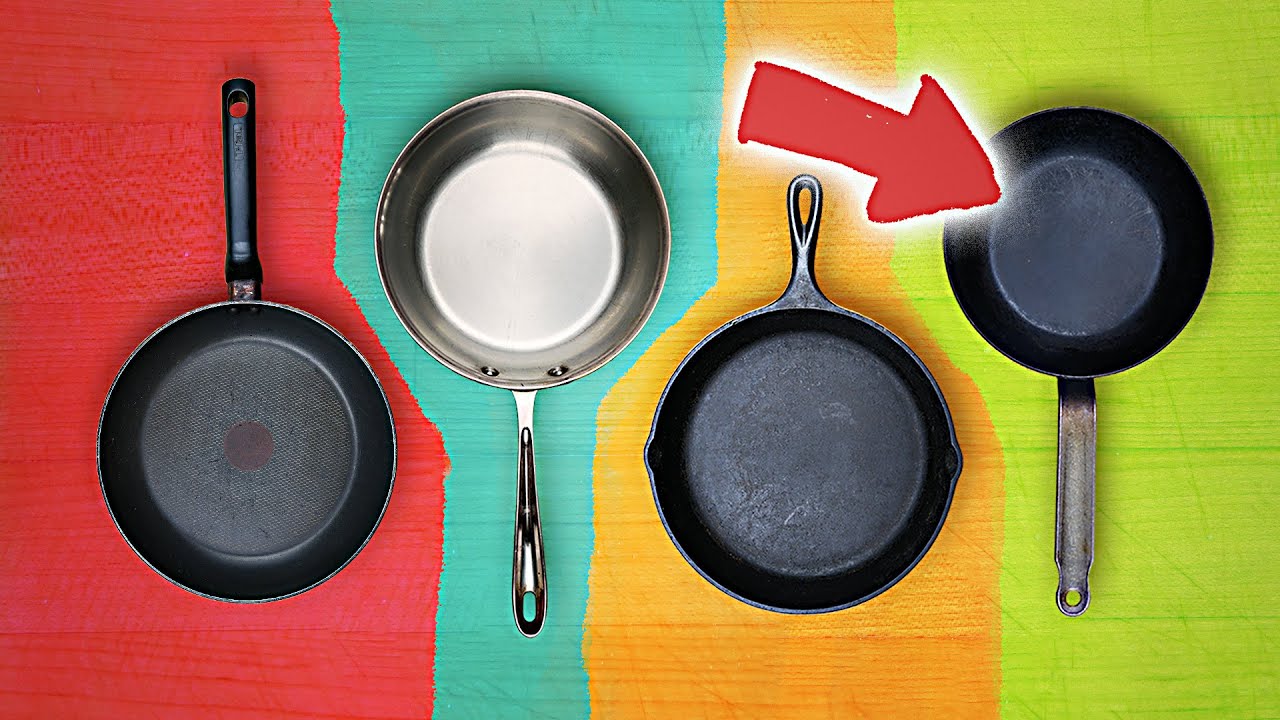
Both pans nevertheless have pleasure of area in my kitchen at the moment. Whether I succeed in for forged iron or carbon steel depends on the dish - and my temper.
The Numbers Game: Quick Reference Table
For those who would like the details at a look:

| Feature | Cast Iron Wok | Carbon Steel Wok | |------------------------|-------------------------|-------------------------| | Weight | five-10 lbs (2-4.5 kg) | 2-three lbs (0.9-1.four kg) | | Heat Up Speed | Slow | Fast | | Responsiveness | Low | High | | Heat Retention | Excellent | Moderate | | Seasoning Difficulty | Moderate | Easy | | Nonstick (Once Seasoned)| Superb | Very Good | | Price Range | $forty-one hundred twenty | $30-60 | | Rust Resistance | Moderate | Moderate | | Stovetop Compatibility | All (flat backside wonderful) | All (verify flatness) | | Ideal Use | Braising, desk provider | Stir-fry, rapid sear |
Quick Decision Checklist
If you’re nonetheless torn at the store shelf or browsing on-line opinions overdue at night time, right here’s a streamlined list for opting for among solid iron and carbon steel woks:
Do you price speed and management above all?Go for carbon steel. Do you steadily serve household-model foods instantly from the pan?
Cast iron’s warm retention shines. Is wrist convenience or pan weight an hindrance?
Carbon metallic is much lighter. Do you adore experimenting with gradual-braised dishes?
Cast iron is your family member. Are you new to wok cooking and prefer quickly results?
Carbon metal’s easy seasoning will spice up your trust.
Final Thoughts: The Joy Is within the Cooking
Choosing among cast iron and carbon steel woks isn’t about asserting one universally superior than any other. It’s about matching device to venture and embracing each and every pan’s quirks. Over time, professional chefs normally finally end up possessing each - reaching for whichever matches this night’s yearning or the next day’s subject.
My personal kitchen tells this tale: battered carbon metal for weeknight stir-fries while pace counts; burly forged iron for lazy weekend braises and tremendous family unit feasts across the desk. Both have scars that tell their personal stories - the ghostly outline of burnt garlic right here, the modern blackness of nicely-loved metallic there.
Pick the pan that suits your rhythm now however don’t be amazed while you make room for both as your culinary adventures develop bolder. At the conclusion of the day, it’s not with regards to “solid iron wok vs carbon metallic” - it’s approximately discovering joy in each sizzle and savoring what emerges out of your own fingers.