Woks occupy a novel house within the kitchen. They’re now not simply pans; they’re vessels for high-warm drama, smoky aromas, and quick, transformative cooking. If you’ve stood in the front of a stovetop, agonizing between the heft of solid iron and the lighter touch of carbon metal, you already know this is not really a trivial determination. The fabric you prefer shapes your stir-fries and your muscle memory. Let’s discover how weight info the stability between forged iron and carbon metallic woks—and why that issues more than such a lot comprehend.
The Feel in Your Hands
When you first pick up a wok, it’s no longer the glossy marketing replica or dependent curves that make an impact—it’s the weight. A fundamental 14-inch forged iron wok can tip the scales at 8 to twelve kilos earlier than you even upload oil or veggies. By evaluation, a identical-sized carbon metallic wok many times weighs between 2 and four kilos.
This distinction is quick should you try tossing meals over high heat. Even pro cooks with good wrists will in finding non-stop tossing—and highly unmarried-passed stir-frying—simple with carbon metallic. Cast iron calls for more force, %%!%%c9a36ba8-1000-4064-84d6-2077b3f90b59%%!%% requiring two arms for protected maneuvering. For a few homestead chefs, relatively people with smaller arms or much less higher frame strength, this distinction alone makes the choice seen.
Heat: Retention vs Responsiveness
Weight isn’t with reference to dealing with; it directly impacts how a wok behaves lower than hearth.
Cast iron excels at holding onto warmth. Once scorching, it remains scorching. That’s why seared steaks enhance such ideally suited crusts on forged iron skillets—the identical principle applies to woks. In observe, because of this a cast iron wok can strength through bloodless materials with out shedding temperature too at once. However, it also way slower preheating (anticipate a couple of mins for the wok to come as much as temperature) and slow cooling in the event you overshoot.
Carbon metallic is nimble by comparability. It heats without delay and cools nearly as quickly when eliminated from the burner or uncovered to chilly sauces. This responsiveness gives educated chefs tight manipulate over browning, stir-frying, or without delay stopping cooking after including smooth parts like scallions or eggs.
In my very own kitchen, I attain for carbon steel once I need to go at once—think flash-cooked greens or scrambled eggs with scallion oil—even as I realize solid iron for gradual-braised Chinese red-cooked red meat or dishes wherein residual warm is helping finish off thicker cuts.
Stir-Fry Technique: Tossing and Turning
The traditional Cantonese strategy entails lifting and shaking the wok with one hand while shoveling elements with a spatula within the different. Carbon steel’s lightness makes this movement that you can think of for increased classes without fatigue.
If you have ever watched a authentic chef at a Chinese restaurant, their woks are sometimes nicely-worn carbon steel types. These chefs toss cuisine invariably, creating “wok hei”—that elusive smoky style prized in Chinese cooking—with the aid of exposing ingredients to excessive warm and open flame for just seconds at a time.
Try this for yourself: elevate each varieties of woks while empty, then repeat whilst loaded with half of a pound of chook and chopped vegetables. Cast iron instantly sounds like a exercise routine; carbon metallic seems like an extension of your arm.
For domicile cooks with gasoline burners that don’t rival eating place BTUs, this agility topics even greater. You’ll rely on quick motion to restrict sticking and guarantee even searing.
Seasoning: Building—and Keeping—a Nonstick Surface
Both substances grow nonstick traits due to seasoning—a activity of polymerizing oil on their surfaces—yet their weight alterations how seasoning behaves every day.
A heavy cast iron wok with thick partitions retains warm spots longer, so seasoning layers generally tend to build up thicker and sometimes patchier if not cared for cautiously. It’s so much tougher to eliminate obdurate buildup on cast iron with ease due to the fact scrubbing this type of heavy pan is awkward, mainly with two arms required to manipulate the weight.
Carbon metal’s thinner walls imply seasoning layers are usually thinner however greater uniform in the event you take time to swirl oil flippantly for the time of preliminary seasoning. Maintenance is likewise less taxing bodily. If seasoning flakes or will get sticky, scrubbing down a light-weight pan is immediate work.
Over years of use, I’ve stumbled on my carbon steel woks broaden a smoother patina with much less elbow grease required for maintenance in comparison to their heavier cousins.
Durability: Taking Abuse in Stride
The status of cast iron for sturdiness is legendary: drop one on tile, and also you risk cracking your surface beforehand unfavourable the pan. However, its very weight should be would becould very well be a liability if it slips out of your draw close or collides with yet another pot.
Carbon metal woks are greater forgiving if dropped—dents are a possibility however cracks are rare. Their lighter construct also makes them less in all likelihood to chip counter tops or feet if an accident takes place. In restaurant settings where pace is paramount, this has life like consequences: a cook dinner who wishes to switch woks swiftly won’t possibility injury or disaster with carbon metal.
Over time, equally pans can final a long time with correct care. The basically caveat: carbon steel can warp if left empty on high heat too lengthy, at the same time as solid iron can crack from surprising thermal shock (like rinsing a hot pan underneath chilly water).
Cooking Styles: Matching Material to Dish
Not each and every recipe merits both from both material. Here’s wherein sense comes into play.
Certain Southern Chinese dishes—like dry-fried green beans or fast-seared pork—are most popular achieved with a light-weight carbon metallic wok that responds all of a sudden to warmth ameliorations. You choose fast evaporation, fierce sizzle, and minimum sticking.
Dishes that want steady, reasonable warmth—believe simmered tofu with black bean sauce or Mapo Doufu—can receive advantages from forged iron’s resilience in opposition to temperature drops whilst cold sauces are brought.
I once attempted smoking tea leaves in equally varieties of woks for tea-smoked duck: The cast iron stored smoke billowing longer yet became more difficult to blank in a while because tar built up along heavy hot spots; carbon metallic misplaced warmness quicker but became more convenient to wipe easy at the same time as nonetheless warm.
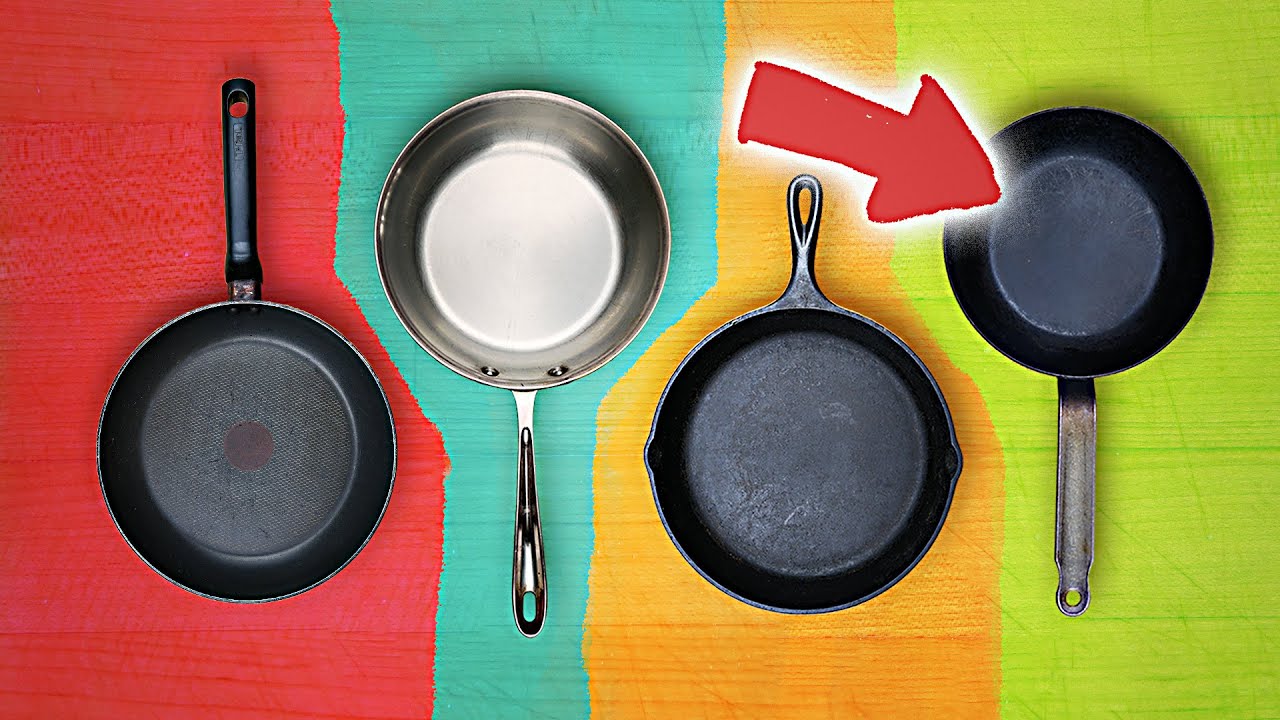
Stove Compatibility: Gas, Electric, Induction
The sheer mass of cast iron helps it take a seat firmly on flat electrical cooktops but should be unwieldy on smaller gasoline burners where maneuverability matters such a lot. On induction stoves, the two materials work if they have flat bottoms; a few basic circular-bottomed woks may perhaps wobble or now not make complete contact except paired with an induction-suitable ring.
If you move %%!%%c9a36ba8-a thousand-4064-84d6-2077b3f90b59%%!%% or cook outdoor over open flames (I’ve hauled my carbon steel wok to outside barbecues extra times than I can count number), portability favors carbon steel on every occasion.
Price Points: Does Weight Cost More?
A quality solid iron wok %%!%%c9a36ba8-one thousand-4064-84d6-2077b3f90b59%%!%% expenditures quite more than a comparable carbon metallic adaptation, partially as a result of uncooked subject matter expenditures and transport heavier merchandise. Expect entry-degree quotes round $30 for overall carbon steel woks, mountain climbing to $eighty or greater for premium brands like Joyce Chen or hand-hammered types from China. Cast iron woks widely start around $forty and achieve $one hundred twenty or bigger for enameled or artisan-made pieces.
However, expense alterations without delay fade while measured towards years—sometimes many years—of use. Many dwelling house cooks inherit woks from folks or grandparents; my circle of relatives’s battered carbon metallic pan has outlasted practically each and every nonstick skillet we ever owned.
Cleaning Up: After Dinner Realities
No subject how flawlessly nonstick your wok turns into, cleanup is inevitable. Here’s wherein weight again makes itself general.
After a long night time cooking for visitors, even mighty arms tire of hoisting a heavy cast iron pan to rinse lower than the faucet. Scrubbing sticky sauces out of crevices whilst balancing such bulk over a sink part is usually awkward at most fulfilling—and downright volatile if rainy hands lose their grip.
A carbon metallic wok rinses clean with little attempt, requiring simply warm water and might be a tender sponge if bits stick. Its lightness potential much less strain on wrists and no worry of shedding it mid-cleanup.
For everyone with constrained space or mobility considerations, these transformations topic on a daily basis.
Edge Cases: When Cast Iron Wins
While an awful lot of cutting-edge counsel leans towards carbon steel for universal stir-frying, there are moments while cast iron shines accurately brought on by its heft:
- Deep-frying: The mass stabilizes oil temperature after adding bloodless foods. Tabletop sizzling pot: Retains warmth longer off direct heat. Bread baking: Some use extensive forged iron woks inverted as dome-shaped baking cloches. Outdoor hearth pits: Stands up to direct coals enhanced than thinner pans. Smoked dishes: Maintains low-and-slow temperatures for improved durations.
In those cases, what feels burdensome right through immediate-paced cooking becomes an asset all over slow strategies.
Comparing Cast Iron Wok vs Carbon Steel: Quick Reference Table
| Factor | Cast Iron Wok | Carbon Steel Wok | |-------------------|------------------------------|---------------------------| | Weight | Heavy (8-12 lbs) | Light (2-4 lbs) | | Heat Retention | Excellent | Moderate | | Heat Responsiveness| Slow | Fast | | Seasoning | Builds thickly | Builds uniformly | | Handling | Two palms %%!%%c9a36ba8-one thousand-4064-84d6-2077b3f90b59%%!%% considered necessary | One hand comfy | | Durability | Chip/crack threat from surprise | Can warp however hardly cracks| | Price | Moderate to prime | Affordable to mild | | Cleanup | More attempt | Easy | | Best for | Deep-frying, sluggish braises | Stir-frying, fast sears |
Tips for Making Your Choice
Choosing among cast iron and carbon metallic https://damienamia344.raidersfanteamshop.com/versatility-within-the-kitchen-cast-iron-wok-vs-carbon-steel comes all the way down to fair reflection to your cooking habits, bodily convenience, and kitchen setup. Here are 5 questions price occupied with:
How %%!%%c9a36ba8-a thousand-4064-84d6-2077b3f90b59%%!%% do you plan to toss or stir-fry vigorously? Do you have top frame power trouble or wrist suffering? Is your widespread range gas, electric powered, or induction? Do you cook dishes requiring long, steady warmness retention? How plenty effort are you inclined to spend on preservation?Answering these questions genuinely will manual maximum cooks in the direction of their top of the line pan without be apologetic about.
Voices From Real Kitchens
In New York’s Chinatown eating place kitchens, battered carbon metal woks dominate for natural velocity and manipulate. In my household’s house kitchen, an old cast iron wok holds pleasure of location for Sunday warm pots—a nod to our roots in northern China, the place shared nutrition linger and heat lingers longer nonetheless.
One buddy with arthritis in her palms reluctantly gave up her grandmother’s solid iron pan for a state-of-the-art carbon steel fashion after one too many spills—she now stirs easily and says she chefs extra %%!%%c9a36ba8-1000-4064-84d6-2077b3f90b59%%!%% as a end result. Another chef I realize swears by his old forged iron wok for Sichuan dry-braised dishes because it “just feels exact” after many years of use.
These thoughts underscore what issues so much: your pan should still suit your existence, no longer just your recipes.
Final Thoughts: Weight as More Than a Number
The preference between solid iron and carbon metallic woks runs deeper than subject matter technological know-how or culinary subculture. Weight affects each and every second from prep to cleanup—no longer solely how properly food cooks yet additionally how %%!%%c9a36ba8-1000-4064-84d6-2077b3f90b59%%!%% you succeed in for the pan inside the first position.
If you may, care for the two models in individual beforehand paying for. Trust your instincts about what feels perfect in your hands and fits your exercises. There is not any customary winner—only what works only for you, evening after night time, as dishes sizzle and smoke rises out of your own range.